
EPIDURAL STEROID INJECTIONS
If you suffer from chronic joint pain, don’t hesitate to Schedule an appointment with one of our orthopedic specialists.
What is a Steroid Injection?
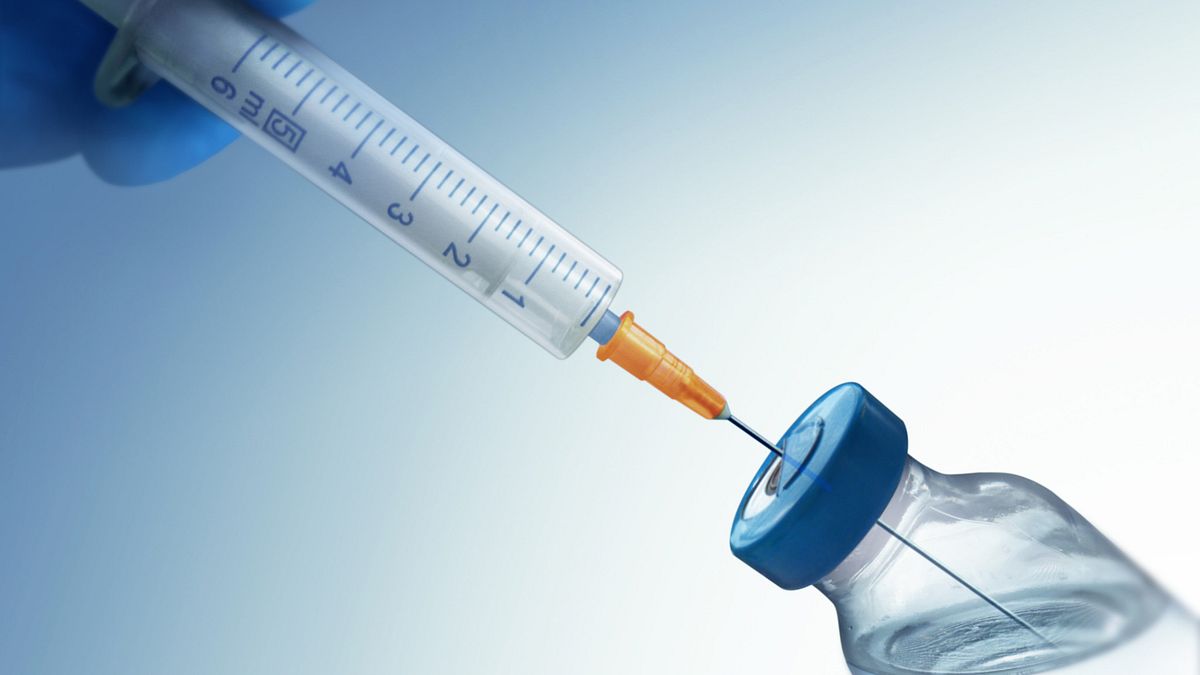 Neurosurgeons and Pain Management Specialists, like Dr. Ahmed Moussa, use Epidural Steroid injections to help patients with pain. The specialist injects a high dose of medication directly into a particularly problematic spot in the body. Specialists often use this type of treatment for joint issues and rheumatoid arthritis. These medications may also help alleviate conditions affecting the soft tissues, such as tendon inflammation. Steroids and corticosteroids help to reduce inflammation. The human body can produce corticosteroid hormones on its own. However, physicians can use a synthetic version of those hormones to relieve a wide range of conditions. Although very fast-acting and effective, Steroid Injections do wear off over time.
Doctors can inject corticosteroids into joints, muscles, and other tissues surrounding the spine, as well as directly into the bloodstream. Steroids, such as hydrocortisone, help relieve bursitis, as well as muscle and tendon pain. Other steroids like triamcinolone and methylprednisolone treat painful joints.
What Conditions Do Steroid Injections Treat?
The primary purpose of a steroid injection is to reduce pain and improve mobility in the affected joints. Since steroid tablets can cause serious side effects, Neurosurgeons recommend steroid injections over tablets. Local steroid injections help reduce inflammation and pain in a localized area.
Specialists use corticosteroid injections to treat a variety of soft tissue inflammations and conditions. For instance, they administer these injections to address conditions such as bursitis, including prepatellar and olecranon bursitis, as well as conditions like tennis elbow, carpal tunnel syndrome, plantar fasciitis, and rotator cuff injuries. Additionally, these injections can help with abnormal nerve growth or neuroma. Beyond soft tissue issues, spinal specialists utilize corticosteroid injections for a wide range of spinal and joint conditions.
These include arthritis, disc problems, sciatica, and general joint pain. They are also beneficial in managing chronic obstructive pulmonary disease (COPD) and several autoimmune diseases, such as lupus and multiple sclerosis (MS). The effectiveness of corticosteroid injections in reducing inflammation and pain makes them a valuable tool in treating these diverse conditions, offering patients relief and improved function. Regular follow-ups and proper administration ensure optimal results and minimize potential side effects.
How Long Do Steroid Injections Take to Work?
Epidural steroid injections usually provide pain relief within 2 to 7 days, although some patients notice improvement within 24 to 48 hours while others require up to 2 weeks for the steroid to reach full anti-inflammatory effect. The local anesthetic often provides temporary relief immediately after the procedure, but that benefit may wear off before the steroid begins reducing inflammation around the affected nerve. Most patients experience gradual improvement rather than immediate pain resolution, and relief may last from several weeks to several months depending on the underlying spinal condition. Minor risks include temporary soreness at the injection site, facial flushing, headache, and, rarely, discitis, a spinal disc infection that occurs infrequently following the procedure.
If you would like to speak with one of our orthopedic specialists, please call us at 817-697-4038 or contact us online. Telemedicine appointments are also available.