
Lumbar Microdiscectomy
If you may need a Lumbar Microdiscectomy, please schedule an appointment with one of our orthopedic specialists as soon as possible
What is a Lumbar Microdiscectomy?
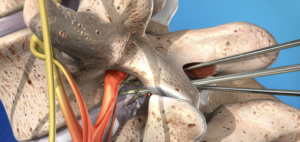 A lumbar microdiscectomy removes a small portion of a damaged spinal disc that presses against a nerve root in the lower back. Neurosurgeons use a microscope and specialized instruments to reach the affected disc through a small opening, then remove the tissue causing nerve compression. The procedure aims to reduce pain, numbness, and weakness that often travel down a leg.
Patients usually receive anesthesia before surgery and return home the same day or after a short recovery period. Surgeons focus on preserving healthy disc material and surrounding structures while relieving pressure on the nerve. Recovery often includes gradual movement, physical therapy, and restrictions on heavy lifting during healing.
Causes for a Lumbar Microdiscectomy
A lumbar microdiscectomy treats symptoms that develop after a herniated lumbar disc compresses a nearby spinal nerve. Age-related disc degeneration weakens the outer layer of the disc and allows the soft inner material to protrude through the surrounding tissue. Heavy lifting, repetitive bending and twisting, sudden injuries, excess body weight, smoking, and prolonged physical strain can also contribute to disc herniation. Nerve compression causes lower back pain that radiates into the buttock and leg, along with numbness, tingling, muscle weakness, and sciatica.
Benefits of a Lumbar Microdiscectomy
A lumbar microdiscectomy relieves pressure on a compressed spinal nerve by removing the portion of the herniated disc responsible for pain and neurological symptoms. This procedure often provides significant relief from sciatica, reduces lower back and leg pain, and improves numbness, tingling, and muscle weakness caused by nerve compression. Many patients regain mobility, return to daily activities with greater comfort, and experience improved strength and function following recovery. The minimally invasive approach requires a smaller incision, causes less disruption to surrounding muscles and soft tissues, reduces postoperative pain, and often supports a faster recovery compared with traditional open spine surgery. Early treatment can also prevent ongoing nerve damage and improve overall quality of life by restoring movement and reducing limitations from chronic pain.
Recovery from a Lumbar Microdiscectomy
After a lumbar microdiscectomy, recovery focuses on restoring mobility and strength while minimizing discomfort. Specialists may encourage patients to engage in gentle activities like walking to promote circulation and prevent stiffness. Physical therapists design personalized rehabilitation programs that include exercises targeting the lower back to enhance flexibility and core stability. As recovery progresses, therapists introduce more challenging exercises such as stretching and light resistance training to further strengthen the back muscles. Patients are advised to maintain good posture and ergonomic practices to support spinal health.
Recovery timelines vary, but many patients can resume light activities within a few weeks. Full recovery typically takes several months, during which regular follow-up visits with the specialist monitor progress and address any concerns. Successful rehabilitation after a lumbar microdiscectomy aids in physical recovery but also improves overall well-being by reducing pain and enhancing mobility, allowing patients to return to daily activities with increased comfort and function.
If you would like to speak to an Orthopedic Specialist, give us a call at 817-697-4038, or contact us online. Telemedicine appointments are also available.