
Bone Augmentation
If you may need a Bone Augmentation, please schedule an appointment with one of our orthopedic specialists as soon as possible.
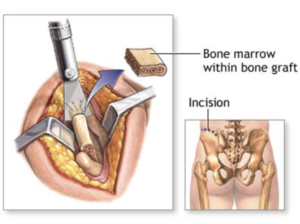
What is a Bone Augmentation?
A bone augmentation refers to a surgical procedure that rebuilds or increases bone volume in the jaw or other skeletal regions. Surgeons place grafting material, synthetic substitutes, or harvested patient bone into areas with insufficient structure to restore strength and create a stable foundation for future dental or orthopedic work. The graft material integrates with existing bone and encourages the body to generate new bone cells, which increases overall density and volume.
Surgeons perform bone augmentation before implant placement or after injury, infection, or disease damages existing bone. The procedure supports long-term stability by reinforcing weakened areas and guiding proper bone regeneration. Patients regain functional support for chewing and speaking, or structural alignment, while surgeons improve the success rate of subsequent restorative treatments, such as dental implants or reconstructive procedures.
Who Benefits from a Bone Augmentation?
Patients with significant bone loss in the jaw or skeletal structure benefit from bone augmentation procedures. Dental implant candidates often receive this treatment when insufficient bone volume prevents secure implant placement. Individuals who experience bone deterioration from periodontal disease, trauma, or long-term tooth loss gain added support and stability through grafting. Surgeons also perform augmentation for patients who require reconstructive repair after tumor removal or congenital defects, restoring both function and structural integrity. People preparing for facial reconstruction or complex oral rehabilitation rely on this procedure to create a strong foundation that supports chewing, speaking, and overall oral health.
Advantages of a Bone Augmentation
Bone augmentation strengthens areas of bone loss and restores a solid foundation for future dental or reconstructive work. Patients experience improved implant stability, better oral function, and enhanced long-term structural support, which help them chew, speak, and maintain facial integrity more effectively.
Benefits may include:
- Rebuild lost bone structure
- Strengthen support for dental implants
- Restore chewing function
- Correct bone defects caused by disease or injury
- Increase bone density for long-term stability
- Improve facial and jaw alignment
- Reduce the risk of implant failure
Recovery for a Bone Augmentation
Recovery after bone augmentation begins immediately, as the body starts healing and integrating the graft material into the existing bone. Swelling and mild discomfort usually develop during the first few days, and rest helps the area stabilize as blood clots and early tissue repair occur. Oral hygiene care and prescribed medications support healing and reduce the risk of infection. Over the following weeks, new bone tissue gradually forms and strengthens the treated area as the graft fuses with natural bone. Soft foods reduce stress on the surgical site while healing progresses. Full recovery can take several months, depending on the size of the graft and the body’s healing response, until the area gains enough strength for implant placement or further dental work.
IF YOU WOULD LIKE TO SPEAK TO AN ORTHOPEDIC SPINE SPECIALIST IN THE DFW METROPLEX, GIVE US A CALL AT 817-697-4038, ORCONTACT USOVER THE WEB. TELE-MEDICINE APPOINTMENTS ARE ALSO AVAILABLE.