
Trapezius Strain
If you are experiencing a trapezius strain, please Schedule an appointment with one of our orthopedic surgeons as soon as possible.
What is a Trapezius Strain?
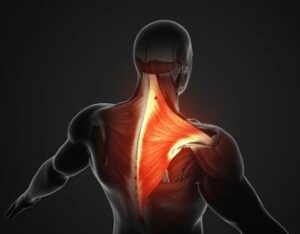 A trapezius strain occurs when the trapezius muscle in the upper back, neck, and shoulders becomes overstretched or develops small tears. This large muscle helps move and stabilize the neck, shoulders, and upper back during activities such as lifting, reaching, and turning the head. Sudden movements, heavy lifting, poor posture, or repetitive activities can place excessive stress on the muscle and cause a strain. A trapezius strain can lead to pain, tenderness, stiffness, muscle spasms, and reduced movement around the neck and shoulder.
Common Causes of Trapezius Strain
Trapezius strains can develop gradually or occur suddenly due to:
-
Overuse or repetitive motion – Common in athletes, manual laborers, or individuals with physically demanding jobs.
-
Poor posture – Prolonged slouching at a desk or improper ergonomics can place excess stress on the upper back and neck.
-
Sudden trauma – Lifting heavy objects, abrupt movements, or whiplash from a car accident may cause muscle tearing.
-
Stress or tension – Emotional stress often leads to involuntary tightening of the neck and shoulder muscles, increasing strain risk.
Understanding the root cause is essential for effective treatment and prevention of future injury.
Symptoms of a Trapezius Strain
Signs of a trapezius strain can range from mild discomfort to significant pain that interferes with daily life. Common symptoms include:
-
Muscle spasms or tightness
-
Swelling or tenderness over the affected area
-
Limited range of motion in the neck or shoulders
-
Headaches originating from the base of the skull
-
Pain that worsens with movement or prolonged activity
If these symptoms persist or worsen over time, it’s important to seek medical evaluation to avoid further complications.
Treatment Options for a Trapezius Strain
Treatment for trapezius strain focuses on relieving pain, restoring function, and preventing recurrence. Depending on the severity, options may include:
-
Rest and activity modification – Avoiding movements that aggravate the muscle allows healing.
-
Physical therapy – Tailored exercises to strengthen the surrounding muscles, improve flexibility, and promote proper posture.
-
Medications – Over-the-counter pain relievers or anti-inflammatory medications may reduce discomfort.
-
Ice and heat therapy – Applying ice in the acute phase and heat in later stages helps reduce swelling and promote relaxation.
-
Manual therapy – Massage or chiropractic care may assist in reducing muscle tension and improving circulation.
In rare cases involving severe tears, further intervention may be necessary.
If you would like to speak to an Orthopedic Specialist in the DFW Metroplex, give us a call at 817-697-4038, or contact us online. Telemedicine appointments are also available.